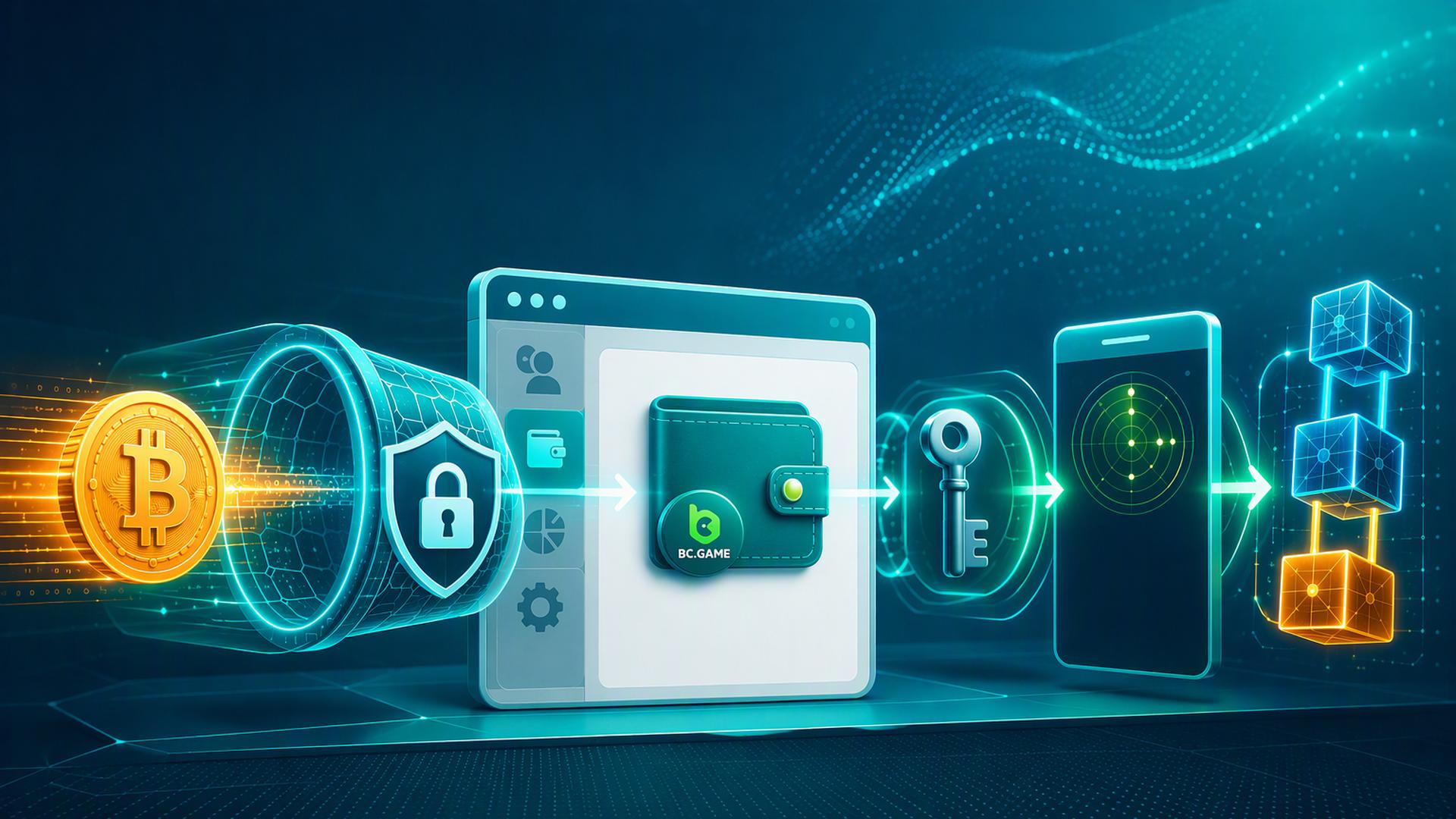
BC.GAME Safe Crypto Deposit Review 2026: How Deposits Work and What Risks Remain
Cryptocurrency deposits have made online transactions faster and more accessible, but understanding how they work remains essential for protecting digital funds. This BC.GAME safe crypto deposit review 2026 explores the process behind cryptocurrency payments, the security measures that support them, and the potential risks users should understand before transferring money.
Unlike traditional banking methods, blockchain payments involve wallet addresses, network confirmations, and transactions that generally cannot be reversed. Knowing how these elements interact helps users avoid costly mistakes, manage transfer expenses, and make informed decisions about moving cryptocurrency between wallets and online platforms.
BC.GAME Provides a Streamlined Solution for Crypto Deposits
For users seeking a convenient way to fund their gaming accounts, BC.GAME offers one of the simplest and most flexible cryptocurrency deposit experiences. The platform supports over 100 digital assets, including Bitcoin, Ethereum, and popular stablecoins, allowing players to choose payment methods suited to their preferences. Its straightforward wallet interface guides users through selecting a currency, choosing a compatible blockchain network, and obtaining a deposit address. This accessible approach makes cryptocurrency payments easier to navigate, even for individuals with limited experience using digital wallets.
Transaction efficiency is another appealing feature. BC.GAME provides a streamlined deposit system with blockchain-based payment tracking and an extensive selection of supported currencies. Its established cryptocurrency infrastructure, broad gaming portfolio, and integrated payment features make it an attractive choice for players who value convenience and flexibility. With access to casino games, live dealer experiences, and sports betting through a single account, users can manage their gaming activities without switching between multiple platforms.
How Cryptocurrency Deposits Work From Start to Finish
A cryptocurrency deposit begins when someone transfers digital assets from an external wallet or exchange to a receiving address. Every transaction travels through a blockchain network, where validators or miners verify its legitimacy before adding it to the shared transaction record. Once the receiving service recognizes the necessary confirmations, the transferred amount becomes available in the destination account.
Although interfaces differ between platforms, the basic process follows a familiar sequence. Users select their preferred cryptocurrency, obtain the corresponding receiving address, and enter that information into their sending wallet. Some currencies also require a destination tag or memo to identify the intended account. The sender then reviews the amount, confirms the network, and authorizes the transfer.
After submission, the blockchain assigns a transaction hash, commonly called a TXID, which serves as a unique reference for tracking the payment. This identifier allows users to monitor confirmations through a blockchain explorer. A successful network transfer does not always mean the receiving account has been credited immediately, since platforms may perform additional processing before updating the available balance.
Why Blockchain Confirmations Affect Deposit Speed
Blockchain confirmations provide a method of determining whether a cryptocurrency payment has been recorded and accepted by the network. A transaction receives its first confirmation when it is included in a validated block, with additional confirmations accumulating as subsequent blocks are added. Receiving services may require different numbers depending on the cryptocurrency, network conditions, and internal payment policies. For example, Bitcoin deposits may need fewer confirmations than certain alternative tokens, while Ethereum-based payments can follow different verification requirements. These differences mean that deposit speed depends on both the underlying blockchain and the receiving platform's confirmation policy, rather than a universal processing time.
Network congestion can also affect how quickly funds arrive. When many users submit transactions simultaneously, validators typically prioritize payments offering competitive network fees. Transfers with lower fees may remain pending until conditions improve, particularly on busy networks. Other considerations include the selected cryptocurrency, the transfer method used by an exchange, and whether a transaction requires additional checks. Understanding these factors helps explain why one deposit might arrive within minutes while another takes considerably longer, even when both are submitted correctly.
What Risks Remain When Depositing Cryptocurrency?
Cryptocurrency payments offer convenience, but their underlying technology introduces responsibilities that differ from traditional financial transactions. Blockchain transfers are generally irreversible once confirmed, meaning errors may be difficult or impossible to correct. Users should understand that a successful payment depends on entering accurate information, selecting compatible networks, and maintaining control over their wallet credentials.
Several risks deserve particular attention before authorizing a transfer:
- Incorrect wallet addresses: Sending cryptocurrency to an unintended recipient can result in permanent loss of funds.
- Network mismatches: Choosing an unsupported blockchain may prevent the receiving service from identifying or crediting the transfer.
- Missing destination tags: Some assets require additional identification details, and omitting them can complicate payment recovery.
- Market volatility: The value of certain cryptocurrencies can change significantly between initiating a payment and using the credited balance.
- Phishing and wallet compromise: Fraudulent websites, malicious applications, or stolen private keys can expose digital assets to unauthorized transactions.
- Platform custody risks: Funds held by a third-party service remain subject to its security practices, operational stability, and applicable withdrawal conditions.
These concerns do not mean every cryptocurrency payment is unsafe. Rather, they demonstrate why blockchain confirmation should not be confused with complete financial protection. A verified transaction establishes that a transfer occurred, but it cannot guarantee the legitimacy of the recipient, prevent market losses, or remove the risks associated with holding funds on an online platform. Responsible users therefore evaluate both the transfer process and the broader environment in which their assets will be stored.
Practical Ways to Protect Your Funds Before Sending Crypto
One of the most effective precautions is verifying every transaction detail before confirming payment. Users should compare the recipient address carefully, check that the sending and receiving networks match, and review any required memo or destination tag. Copying information directly from the intended platform reduces manual typing errors, although checking the pasted address remains necessary because malicious software can sometimes replace clipboard contents.
Account security also deserves attention. Strong, unique passwords and two-factor authentication can reduce the likelihood of unauthorized access, while hardware wallets provide an additional layer of protection for assets held outside trading or gaming platforms. Users should avoid sharing private keys, recovery phrases, or authentication codes, even with individuals claiming to represent customer support. Accessing services through verified website addresses rather than unsolicited messages further reduces exposure to phishing attempts.
For unfamiliar payment routes, a small test transfer can help confirm compatibility before a larger transaction. Users should also retain their TXID, review the applicable minimum deposit amount, and monitor the payment using a reputable blockchain explorer. Setting a personal spending limit is equally valuable, particularly when depositing funds for entertainment. Only money that can comfortably be lost should be allocated to gambling, and cryptocurrency should not be treated as a way to recover previous betting losses.
How Deposit Fees, Bonuses, and Withdrawal Rules Affect Your Balance
The amount sent from a cryptocurrency wallet does not always equal the amount ultimately available for use. Blockchain networks commonly charge transaction fees, sometimes called gas fees, to compensate the validators or miners responsible for processing payments. These charges vary by network and congestion level, and exchanges may impose separate withdrawal costs. Users should therefore distinguish between platform deposit fees, blockchain transaction costs, and exchange service charges when calculating the total expense. Minimum deposit thresholds can also determine whether a payment qualifies for automatic crediting. A low-cost network may be attractive for frequent transfers, but compatibility and security should take priority over saving a small fee.
Promotional rewards and withdrawal conditions introduce another set of considerations. A deposit bonus may increase a promotional balance without making the entire reward immediately withdrawable. Wagering requirements, eligible games, expiration dates, and maximum withdrawal provisions can influence how and when bonus-related funds become accessible. These conditions vary between offers and should be reviewed before accepting any promotion. Similarly, withdrawing cryptocurrency generally involves separate processing steps, wallet information, and applicable network charges. Understanding the difference between depositing funds, receiving promotional credits, and withdrawing an available balance allows users to manage their finances with greater clarity.
A Safer Approach to Cryptocurrency Deposits in 2026
Cryptocurrency deposits can provide an efficient way to transfer funds, but speed and convenience should never replace careful transaction management. Accurate wallet details, compatible networks, appropriate security settings, and a clear understanding of fees all contribute to a more reliable payment experience. Blockchain confirmations establish the status of a transfer, while personal safeguards help address risks that technology alone cannot eliminate. By checking payment instructions, understanding account conditions, and maintaining sensible financial limits, users can approach cryptocurrency deposits with greater confidence and awareness of the responsibilities involved.